
If you’re looking to add versatility to your home workout routine, look no further than the DIY Pullup and Dip Station. This ingenious piece of equipment allows you to target your upper body muscles with a variety of exercises, all in the comfort of your own home. Whether you’re aiming to build strength, increase muscle definition, or simply stay fit, this DIY station is your ticket to achieving your fitness goals without breaking the bank. With its simple design and easy assembly, you’ll be able to turn any space into your personal gym in no time. Say goodbye to expensive gym memberships and hello to a convenient and effective workout solution that’s tailored to your needs.

This image is property of i.ytimg.com.
To build your own pullup and dip station, you will need the following materials and tools:
Wood will be used for the main frame of the station. Choose sturdy and durable wood such as oak or maple. You will need various lengths of wood depending on the design and dimensions of your station.
Metal pipes will be used to construct the dip bars. Choose pipes that are strong and can withstand your body weight. Have them cut into appropriate lengths based on your design.
Bolts and screws will be used to secure the wood pieces together. Make sure to choose ones that are the correct size and length to ensure proper assembly and stability.
A drill is necessary to make holes for the bolts and screws. Use a drill bit that is suitable for the size of the holes needed.
A circular saw will be required to cut the wood pieces to the desired dimensions. Ensure you have the appropriate safety equipment and follow proper guidelines when using the saw.
Before starting the construction of your pullup and dip station, it’s essential to consider the following design factors:
Determine the available space where you plan to install the station. Consider both the height and width needed for comfortable and safe use. Make sure there is enough clearance around the station to prevent accidents.
Calculate the maximum weight the station will need to support. This includes your body weight as well as any additional weights you may use for weighted exercises. Choose materials that can withstand this weight capacity without compromising stability.
Decide if you want your pullup and dip station to be adjustable. Adjustable stations allow for different exercise variations and can cater to users of varying heights. Consider incorporating adjustable features, such as adjustable dip bars or a pullup bar that can be positioned at different heights.
Ensure that the station is stable and secure during use. The frame should be sturdy and able to withstand the forces applied during exercises. Consider adding cross braces or reinforcements to enhance stability. Additionally, incorporate safety features such as safety straps or non-slip grips to prevent accidents and injuries.
Think about the ease of disassembly if you need to move or store the station. Choose a design that allows for easy disassembly without compromising stability. This will make it convenient to reassemble the station in different locations if desired.
Before diving into the construction process, take time to plan your pullup and dip station. This phase involves determining the dimensions, sketching the design, and identifying attachment points.
Based on the available space and design considerations, determine the dimensions of your station. Measure the height, width, and depth needed to comfortably accommodate your exercises and body movements.
Create a rough sketch or use design software to visualize your pullup and dip station. This helps you determine the layout and how the different components will come together. Consider the placement of the pullup bar, dip bars, and any additional features you want to include.
Identify the attachment points where the wood pieces will be connected. This includes determining where the bolts and screws will be inserted for maximum stability. Mark these points on your sketch to guide you during the assembly process.
The first step in constructing your pullup and dip station is building the pullup bar. Follow these steps:
Using a circular saw, cut the wood pieces to the desired dimensions for the pullup bar. Ensure that each piece is cut accurately to match your design plan. Double-check the measurements before cutting to avoid any mistakes.
Begin by assembling the frame for the pullup bar. Connect the wood pieces using bolts and screws as per your design plan. Ensure that the joints are secure and stable. Use a drill to make the necessary holes for the bolts and screws.
Once the frame is completed, attach the pullup bar to the designated area of the frame. Secure it tightly using bolts and screws. Make sure the pullup bar is level and can support your body weight without any wobbling or instability.

This image is property of i.pinimg.com.
After completing the pullup bar, the next step is to build the dip bars for your station. Here’s how:
Measure and mark the lengths needed for the metal pipes that will be used as dip bars. Use a measuring tape or ruler to ensure accurate measurements. Double-check the lengths to avoid any mistakes before proceeding to the next step.
Using a saw, carefully cut the pipes according to your measurements. Ensure that the cuts are clean and straight. After cutting, use sandpaper to smooth the edges of the pipes, removing any sharp or rough areas that could cause injuries.
Assemble the dip bars by inserting the pipes into the designated attachment points on the main frame. Make sure the bars are securely fitted and stable. You may need to use additional hardware, such as bolts or clamps, to ensure the bars are firmly attached.
To enhance the stability and safety of your pullup and dip station, consider incorporating the following features:
Strengthen the frame of your station by adding reinforcements. This can be accomplished by attaching additional wood pieces or metal brackets at strategic points along the frame. Reinforcements help distribute the weight more evenly and minimize any potential stress points.
Install cross braces between the vertical supports of your station to maximize stability. These horizontal braces add strength and prevent any lateral movement or wobbling during exercises.
For added safety, install safety straps or resistance bands that can be used as a backup in case of fatigue or loss of grip during exercises. These straps can help prevent falls and injuries by providing additional support. Attach the straps securely to the frame or the pullup bar.
Consider adding non-slip grips to the pullup and dip bars. These can be foam or rubber coverings that provide better grip and reduce the risk of accidental slips or injuries. Ensure that the grips are securely attached to the bars and are comfortable to hold.
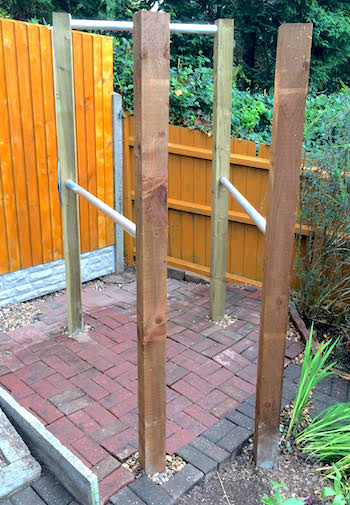
This image is property of www.fitstream.com.
Once the construction is completed, it’s time to add the finishing touches to your pullup and dip station:
Use sandpaper to smooth any rough edges or surfaces of the wood and metal parts. This not only enhances the appearance of the station but also prevents splinters and injuries when using the equipment.
To protect the wood from damage and wear, consider applying a protective finish such as varnish or polyurethane. This will help prolong the lifespan of your station and keep it looking good over time.
If desired, you can paint or stain the station to enhance its appearance and match your personal style. Choose a paint or stain that is suitable for outdoor or indoor use, depending on where you plan to install the station.
After completing the assembly and finishing, it’s time to install and set up your pullup and dip station:
Select a suitable location for your station based on the available space and your exercise preferences. Ensure there is enough room around the station for proper and safe movement during exercises. Consider factors such as ceiling height and flooring type.
Ensure that the station is securely anchored or attached to the ground or wall, depending on its design and configuration. Use appropriate hardware such as screws, bolts, or brackets to secure the station and prevent any movement or tipping during use.
If your station is adjustable, set the height of the pullup bar and dip bars to a comfortable and suitable level for your exercises. Follow any instructions or guidelines provided by the manufacturer for proper adjustment.
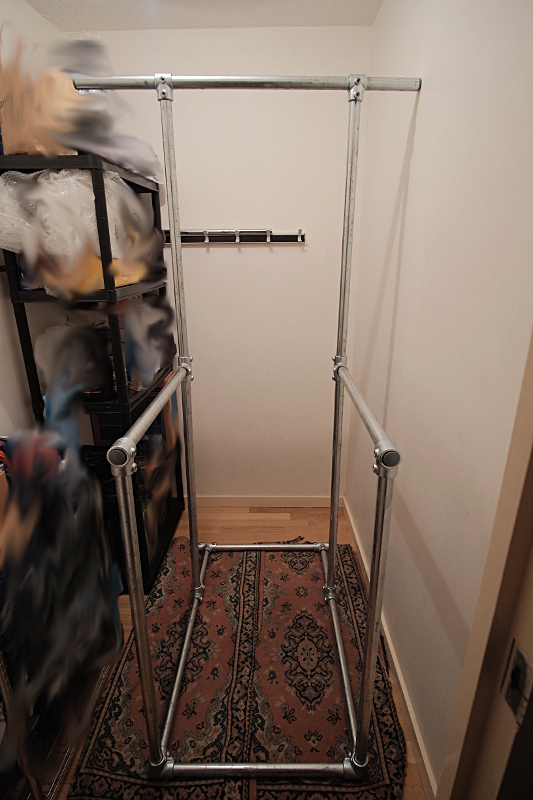
This image is property of www.gymnasticbodies.com.
Before using your newly built pullup and dip station, it’s important to perform testing and ensure proper safety measures are in place:
Gradually apply weight to the station to test its stability and weight capacity. Start with light loads and progress to heavier ones to ensure that the station can handle the intended usage. Monitor for any signs of instability or weakness during the testing process.
Regularly inspect the station for any signs of wear, damage, or loose connections. Check and tighten any bolts or screws if necessary. Ensure that the station remains stable and secure after each use and during periodic inspections.
Maintain proper form and technique while using the pullup and dip station to minimize the risk of injury. Follow proper exercise guidelines and consult with a fitness professional, if needed, to ensure safe and effective workouts.
If you are attempting advanced exercises or using additional weights, consider having a spotter or assistance available. A spotter can provide support and help ensure your safety during challenging exercises, decreasing the risk of accidents or injuries.
To keep your pullup and dip station in good condition and extend its lifespan, regular maintenance and care are necessary:
Regularly inspect the station for any signs of wear, damage, or loose connections. This includes checking the wood and metal parts, as well as any attachments or accessories. Address any issues promptly to prevent further damage or compromised safety.
Clean the station regularly to remove dirt, sweat, and debris that can accumulate over time. Use a mild detergent and water solution to clean the surfaces and wipe down the metal parts to prevent rust. Apply lubrication, such as silicone spray or oil, to any moving parts to ensure smooth operation.
In the event of any damages or issues, repair them promptly. This may involve replacing broken or damaged wood or metal parts, tightening loose connections, or addressing any other structural or functional issues. Follow appropriate repair techniques and consult a professional if needed.
By following these steps, you can successfully build your own pullup and dip station that meets your specific exercise needs. Enjoy your new equipment and remember to prioritize safety and proper form while working out. Happy exercising!
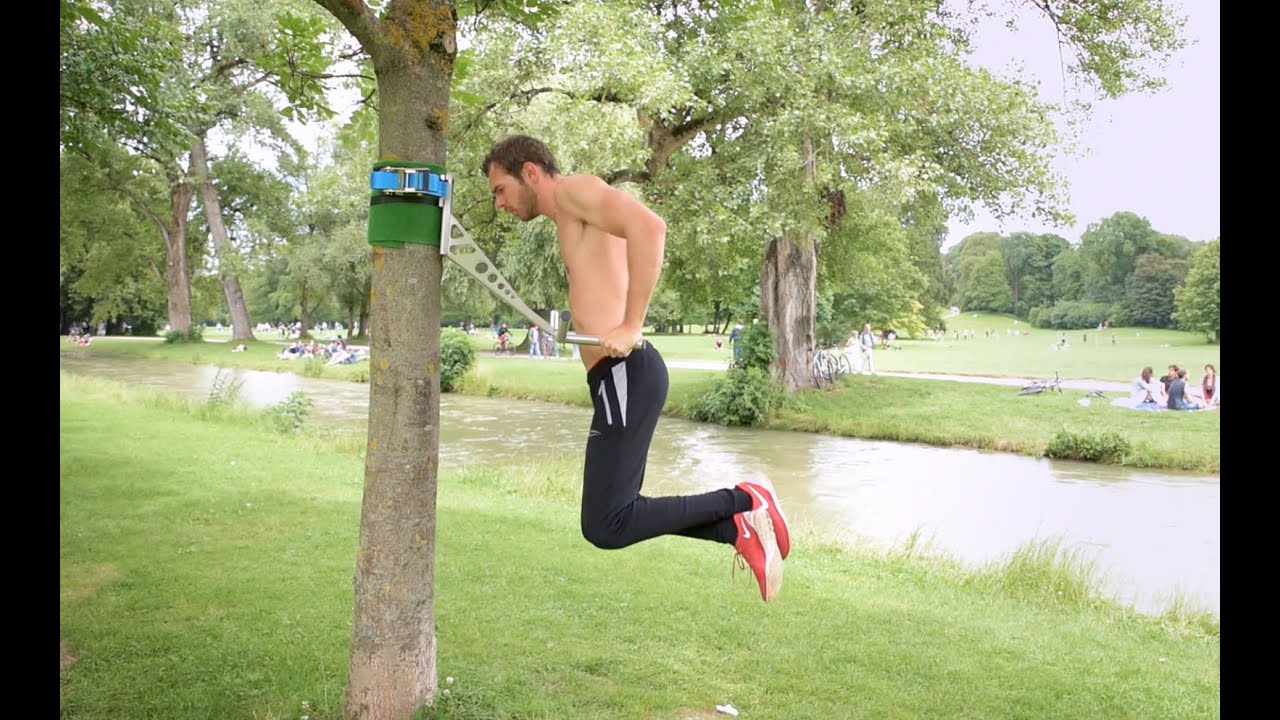
This image is property of i.ytimg.com.
This post contains affiliate links. I will earn a commission if you buy through my link.
If you’re looking to add versatility to your home workout routine, look no further than the DIY Pullup and Dip Station. This ingenious piece of equipment allows you to target your upper body muscles with a variety of exercises, all in the comfort of your own home. Whether you’re aiming to build strength, increase muscle definition, or simply stay fit, this DIY station is your ticket to achieving your fitness goals without breaking the bank. With its simple design and easy assembly, you’ll be able to turn any space into your personal gym in no time. Say goodbye to expensive gym memberships and hello to a convenient and effective workout solution that’s tailored to your needs.
This image is property of i.ytimg.com.
To build your own pullup and dip station, you will need the following materials and tools:
Wood will be used for the main frame of the station. Choose sturdy and durable wood such as oak or maple. You will need various lengths of wood depending on the design and dimensions of your station.
Metal pipes will be used to construct the dip bars. Choose pipes that are strong and can withstand your body weight. Have them cut into appropriate lengths based on your design.
Bolts and screws will be used to secure the wood pieces together. Make sure to choose ones that are the correct size and length to ensure proper assembly and stability.
A drill is necessary to make holes for the bolts and screws. Use a drill bit that is suitable for the size of the holes needed.
A circular saw will be required to cut the wood pieces to the desired dimensions. Ensure you have the appropriate safety equipment and follow proper guidelines when using the saw.
Before starting the construction of your pullup and dip station, it’s essential to consider the following design factors:
Determine the available space where you plan to install the station. Consider both the height and width needed for comfortable and safe use. Make sure there is enough clearance around the station to prevent accidents.
Calculate the maximum weight the station will need to support. This includes your body weight as well as any additional weights you may use for weighted exercises. Choose materials that can withstand this weight capacity without compromising stability.
Decide if you want your pullup and dip station to be adjustable. Adjustable stations allow for different exercise variations and can cater to users of varying heights. Consider incorporating adjustable features, such as adjustable dip bars or a pullup bar that can be positioned at different heights.
Ensure that the station is stable and secure during use. The frame should be sturdy and able to withstand the forces applied during exercises. Consider adding cross braces or reinforcements to enhance stability. Additionally, incorporate safety features such as safety straps or non-slip grips to prevent accidents and injuries.
Think about the ease of disassembly if you need to move or store the station. Choose a design that allows for easy disassembly without compromising stability. This will make it convenient to reassemble the station in different locations if desired.
Before diving into the construction process, take time to plan your pullup and dip station. This phase involves determining the dimensions, sketching the design, and identifying attachment points.
Based on the available space and design considerations, determine the dimensions of your station. Measure the height, width, and depth needed to comfortably accommodate your exercises and body movements.
Create a rough sketch or use design software to visualize your pullup and dip station. This helps you determine the layout and how the different components will come together. Consider the placement of the pullup bar, dip bars, and any additional features you want to include.
Identify the attachment points where the wood pieces will be connected. This includes determining where the bolts and screws will be inserted for maximum stability. Mark these points on your sketch to guide you during the assembly process.
The first step in constructing your pullup and dip station is building the pullup bar. Follow these steps:
Using a circular saw, cut the wood pieces to the desired dimensions for the pullup bar. Ensure that each piece is cut accurately to match your design plan. Double-check the measurements before cutting to avoid any mistakes.
Begin by assembling the frame for the pullup bar. Connect the wood pieces using bolts and screws as per your design plan. Ensure that the joints are secure and stable. Use a drill to make the necessary holes for the bolts and screws.
Once the frame is completed, attach the pullup bar to the designated area of the frame. Secure it tightly using bolts and screws. Make sure the pullup bar is level and can support your body weight without any wobbling or instability.
This image is property of i.pinimg.com.
After completing the pullup bar, the next step is to build the dip bars for your station. Here’s how:
Measure and mark the lengths needed for the metal pipes that will be used as dip bars. Use a measuring tape or ruler to ensure accurate measurements. Double-check the lengths to avoid any mistakes before proceeding to the next step.
Using a saw, carefully cut the pipes according to your measurements. Ensure that the cuts are clean and straight. After cutting, use sandpaper to smooth the edges of the pipes, removing any sharp or rough areas that could cause injuries.
Assemble the dip bars by inserting the pipes into the designated attachment points on the main frame. Make sure the bars are securely fitted and stable. You may need to use additional hardware, such as bolts or clamps, to ensure the bars are firmly attached.
To enhance the stability and safety of your pullup and dip station, consider incorporating the following features:
Strengthen the frame of your station by adding reinforcements. This can be accomplished by attaching additional wood pieces or metal brackets at strategic points along the frame. Reinforcements help distribute the weight more evenly and minimize any potential stress points.
Install cross braces between the vertical supports of your station to maximize stability. These horizontal braces add strength and prevent any lateral movement or wobbling during exercises.
For added safety, install safety straps or resistance bands that can be used as a backup in case of fatigue or loss of grip during exercises. These straps can help prevent falls and injuries by providing additional support. Attach the straps securely to the frame or the pullup bar.
Consider adding non-slip grips to the pullup and dip bars. These can be foam or rubber coverings that provide better grip and reduce the risk of accidental slips or injuries. Ensure that the grips are securely attached to the bars and are comfortable to hold.
This image is property of www.fitstream.com.
Once the construction is completed, it’s time to add the finishing touches to your pullup and dip station:
Use sandpaper to smooth any rough edges or surfaces of the wood and metal parts. This not only enhances the appearance of the station but also prevents splinters and injuries when using the equipment.
To protect the wood from damage and wear, consider applying a protective finish such as varnish or polyurethane. This will help prolong the lifespan of your station and keep it looking good over time.
If desired, you can paint or stain the station to enhance its appearance and match your personal style. Choose a paint or stain that is suitable for outdoor or indoor use, depending on where you plan to install the station.
After completing the assembly and finishing, it’s time to install and set up your pullup and dip station:
Select a suitable location for your station based on the available space and your exercise preferences. Ensure there is enough room around the station for proper and safe movement during exercises. Consider factors such as ceiling height and flooring type.
Ensure that the station is securely anchored or attached to the ground or wall, depending on its design and configuration. Use appropriate hardware such as screws, bolts, or brackets to secure the station and prevent any movement or tipping during use.
If your station is adjustable, set the height of the pullup bar and dip bars to a comfortable and suitable level for your exercises. Follow any instructions or guidelines provided by the manufacturer for proper adjustment.
This image is property of www.gymnasticbodies.com.
Before using your newly built pullup and dip station, it’s important to perform testing and ensure proper safety measures are in place:
Gradually apply weight to the station to test its stability and weight capacity. Start with light loads and progress to heavier ones to ensure that the station can handle the intended usage. Monitor for any signs of instability or weakness during the testing process.
Regularly inspect the station for any signs of wear, damage, or loose connections. Check and tighten any bolts or screws if necessary. Ensure that the station remains stable and secure after each use and during periodic inspections.
Maintain proper form and technique while using the pullup and dip station to minimize the risk of injury. Follow proper exercise guidelines and consult with a fitness professional, if needed, to ensure safe and effective workouts.
If you are attempting advanced exercises or using additional weights, consider having a spotter or assistance available. A spotter can provide support and help ensure your safety during challenging exercises, decreasing the risk of accidents or injuries.
To keep your pullup and dip station in good condition and extend its lifespan, regular maintenance and care are necessary:
Regularly inspect the station for any signs of wear, damage, or loose connections. This includes checking the wood and metal parts, as well as any attachments or accessories. Address any issues promptly to prevent further damage or compromised safety.
Clean the station regularly to remove dirt, sweat, and debris that can accumulate over time. Use a mild detergent and water solution to clean the surfaces and wipe down the metal parts to prevent rust. Apply lubrication, such as silicone spray or oil, to any moving parts to ensure smooth operation.
In the event of any damages or issues, repair them promptly. This may involve replacing broken or damaged wood or metal parts, tightening loose connections, or addressing any other structural or functional issues. Follow appropriate repair techniques and consult a professional if needed.
By following these steps, you can successfully build your own pullup and dip station that meets your specific exercise needs. Enjoy your new equipment and remember to prioritize safety and proper form while working out. Happy exercising!
This image is property of i.ytimg.com.
This post contains affiliate links. I will earn a commission if you buy through my link.